Seasonal Closet Swap Checklist for Small Apartments
October 13, 2026 - Organization

October 13, 2026 - Organization

October 12, 2026 - Packing

October 09, 2026 - Decluttering

October 08, 2026 - Home Spaces
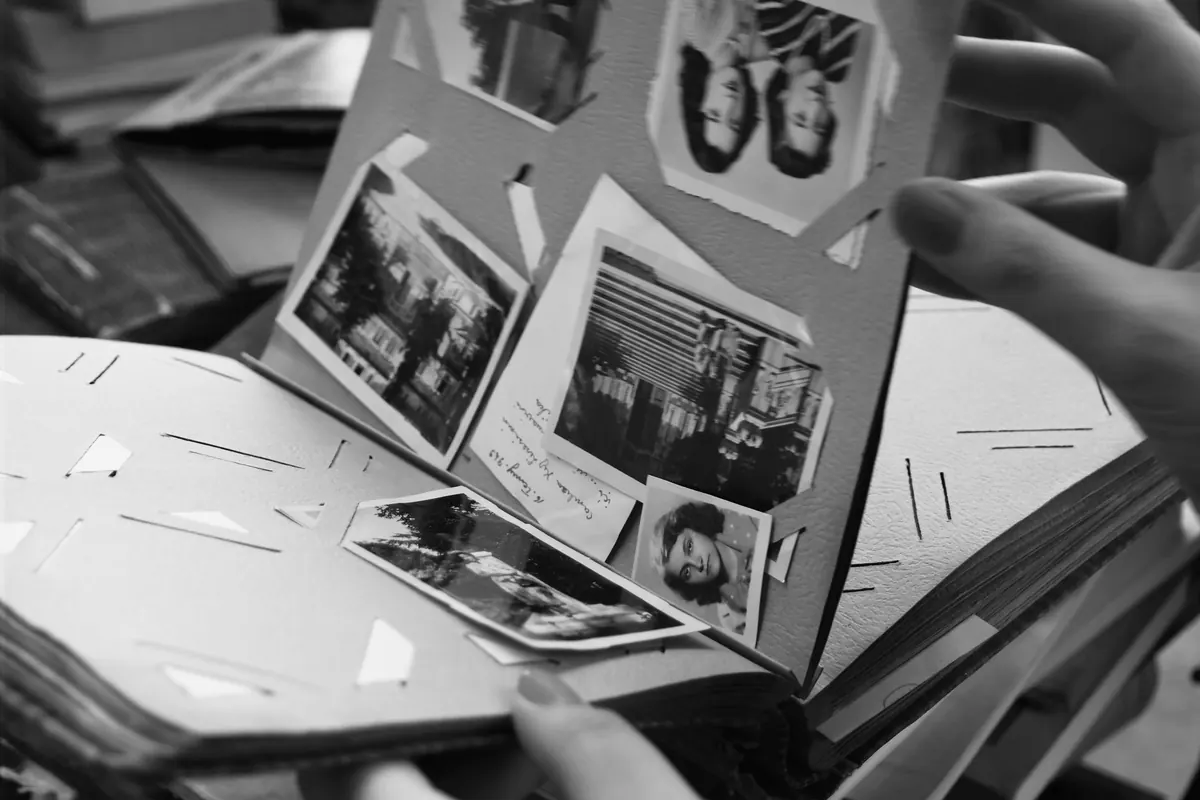
You can empty a junk drawer in ten minutes. A box of your grandmother's letters can stop you cold for an hour. Sentimental clutter resists the usual rules, because the question "do I use this?" doesn't apply when an object stands in for a person, a place, or a version of yourself you're afraid of losing.
The goal isn't an empty shelf. It's a collection small enough that you can actually see it, hold it, and show it to someone — without a knot in your stomach every time you open the closet.
Most people keep keepsakes for one reason: they believe the memory lives inside the object, and letting the object go means letting the memory go too. That fear is worth saying out loud before you start sorting. Once it's named, you can work with it directly.
The memory doesn't live in the object. It lives in you, and it fades whether or not the object is in the room. What you can do is give a memory a better home: a photograph of the thing, a written paragraph about why it mattered, or a handful of pieces you genuinely want to look at. That's not cheating. It's the whole job.
Sentimental sorting goes badly when it happens at 11 p.m. on the floor of a storage unit. Decide the boundaries first, then bring the boxes to the table.
"Does it spark joy?" is too vague for a shoebox of your grandfather's things. Use questions that force a specific answer:
A clear yes on two or more, keep it. One yes, and it goes in Maybe with a date. No yeses, release it — and don't reopen the bin to double-check. The point of a rule is that you stop negotiating with yourself every time you see the object.
Guilt is the least useful sorting category in the house. You are not required to keep a relative's entire household to prove you loved them. Choose the two or three things that genuinely bring them back — the recipe card in their handwriting, the reading glasses, the ugly lamp that sat by their chair for forty years — and let those carry the weight. A small number of real objects does more emotional work than a basement full of boxes.
Then deal with the rest in the open. Offer specific items to specific people with a photo and a clear deadline, and say plainly that there's no pressure. Be prepared for someone to decline; accepting an heirloom out of politeness just moves the problem to another house.
For jewelry, art, instruments, or anything that might be valuable, get an appraisal before you sell or donate. An hour of professional advice is cheaper than an irreversible mistake, and if an estate, a will, or shared property is involved, check with the appropriate professional before distributing anything.
Worksheets, spelling tests, and half-finished craft projects are volume, not memory. Keep what is specific to you: the letter you wrote at eight, the award for something you actually cared about, the one toy you remember by name. Photograph the rest and let it go — a picture of a shelf of trophies takes up no space and tells the same story.
Keep a single folder or small box per child per stage, and add to it as you go rather than hoarding to sort later. One strong drawing beats thirty average ones. If quantity is the problem, a quilt, a bound photo book, or a simple framed collage solves it without a storage bin.
Ticket stubs fade, shells crumble, and hotel key cards multiply. Choose one object per trip — a stone, a postcard, a receipt from a memorable meal — and keep them together in a shallow dish or a small box you can actually open. Printed photos work better than a phone gallery you never scroll. A shadow box for one special trip will do more for you than a drawer of loose coins from six countries.
Keepsakes you can't find aren't keepsakes, they're inventory. A few habits protect what survives the sorting:
Put a date on the Maybe box — one year from today. When the date arrives, open it once. Some things will have quietly let go of you, which makes the decision easy; others will feel obviously worth keeping, so promote them to display. Then close the box and move on. You get one revisit, not a monthly argument with yourself.
Once a year, spend twenty minutes with your keepsake shelf. Take down what no longer speaks to you, add what does, and dust the rest. A sentimental collection that changes over time is a healthy one — it means the objects are serving your memory instead of the other way around.
Photo: Zehra Karadeniz / Pexels
A step-by-step seasonal closet swap for small apartments: timing the switch, sorting and packing off-season clothes,...
An eight-week moving-day packing timeline that breaks sorting, boxing, labeling, and last-minute essentials into...
October 13, 2026 - Organization
October 12, 2026 - Packing
October 09, 2026 - Decluttering
Copyright © 2026 The Stow Guide. All Right Reserved.